Metal saw cutting: better cutting lists for South West frame production
A retail display frame can look straightforward on a drawing, yet a small misunderstanding in its cutting list can affect every assembly in a production batch. A length measured to the wrong end of a mitre, an unspecified tube wall thickness or a missing part reference can cause problems long before welding begins.
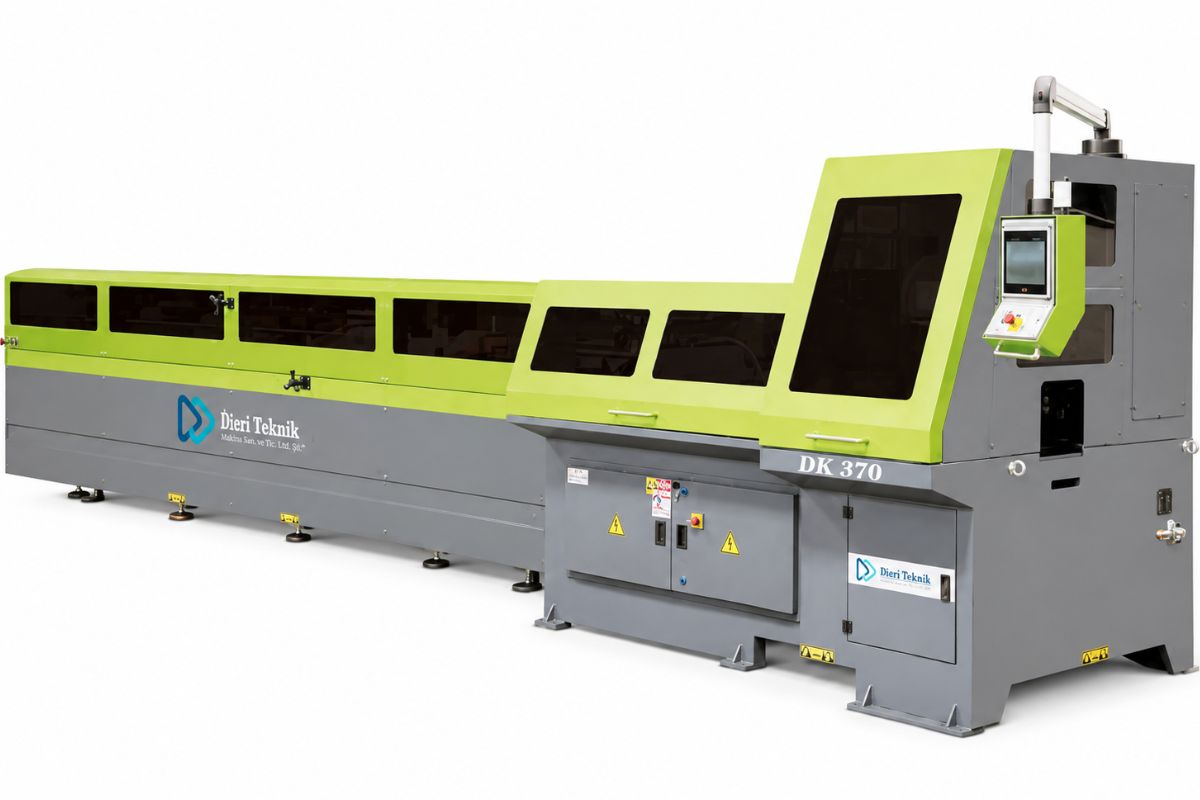
For manufacturers, shopfitters and equipment businesses across Somerset, Devon and Dorset, understanding metal saw cutting helps turn a product requirement into a clearer production brief. Techrail Retail Services offers automated straight and mitre saw cutting at its Chard facility, preparing suitable bar, tube and section stock for repeat batches and onward fabrication. This guide explains what buyers should agree before material is cut.
1. Know when saw cutting is the appropriate starting point. Saw cutting prepares lengths from stock such as round bar, square tube and rectangular hollow section. These lengths can become frame members, supports or other fabricated components. It is different from cutting a flat profile from sheet metal. A display stand might need saw cut tube for its frame and laser cut sheet for its base or panels. Share the complete assembly so the production team can review the connected processes rather than quote disconnected parts.
2. Describe the stock precisely. A request for steel tube leaves several decisions open. State the material grade, section shape, outside dimensions and wall thickness, together with any material documentation requirements. Two tubes with similar outside dimensions can behave differently if their wall thicknesses or grades differ. If the specification is not settled, describe the application and expected loading for review. Do not assume a change of section is acceptable without checking its effect on the approved design.
3. Define how each finished length is measured. Straight cuts usually present fewer interpretation problems than angled ends, but both need a clear measurement basis. With a mitred frame member, the longest edge, shortest edge and centre line can have different lengths. The drawing should show which points define the required dimension, the angle at each end and whether the cuts face the same or opposite directions. A simple sketch can prevent a whole batch being cut to a plausible but incorrect interpretation.
4. Use part references that carry through to assembly. Give each different component a part number and record its drawing revision, quantity per assembly and total batch quantity. For example, a requirement for 100 frames with two identical uprights per frame means 200 uprights, not 100. Keep visually similar members separate where their lengths, angles or later operations differ. Clear identification helps the team organise cut parts for drilling, welding and inspection without relying on someone recognising them by eye.
5. Separate length tolerance from complete frame accuracy. The permitted variation in a cut length should reflect how that member functions in the finished assembly. A tolerance on individual pieces does not, by itself, define the squareness or overall size of a welded frame. Joint preparation, assembly fixtures and welding can also affect the result. State the important finished dimensions and agree suitable checks with the manufacturer. Avoid applying unnecessarily tight tolerances to every cut when only selected interfaces control fit.
6. Allow for cutting loss and stock planning. The saw blade removes a small amount of material at each cut, known as the kerf. Stock ends, angled cuts and unusable remnants can also affect how many finished pieces are obtained from a length. Dividing the stock length by the required component length is therefore not a reliable purchasing calculation on its own. Ask the manufacturer to assess the cutting schedule, especially when several component lengths share the same material specification. Confirm quantities rather than assuming every offcut can be reused.
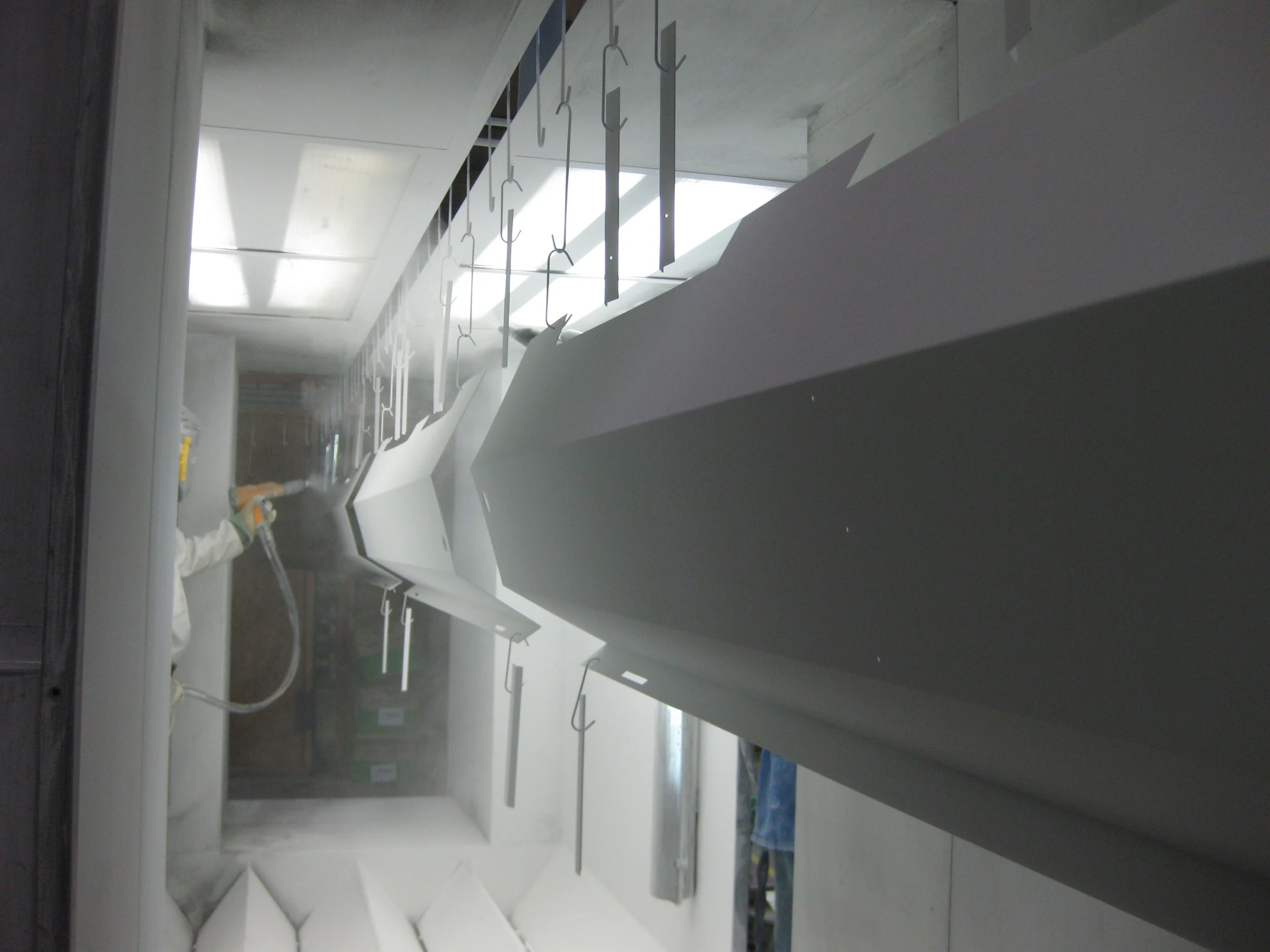
7. Specify the condition needed for the next operation. Tell the manufacturer whether the cut ends will be visible, welded, capped or used as a locating face. Agree burr removal, any particular edge preparation and whether further drilling or machining is required. If the finished product will be powder coated, review the fabrication and finishing requirements together before production. Buyers should specify the intended result and let the production team assess the practical sequence, rather than treating cutting, welding and finishing as unrelated purchases.
8. Plan delivery around usable sets. A South West shopfitting business may need complete frame kits for several installation releases rather than all uprights first and cross members later. State whether parts should be supplied loose, grouped by reference or organised into agreed sets. Include the first required delivery date and any later release quantities. Packaging and identification requirements should be agreed at quotation stage, particularly where bare cut material must remain traceable through several production operations.
Before requesting a quotation, gather the current drawings, material grades, section sizes, finished lengths, cut angles, quantities, tolerances and required delivery dates. Add details of any later fabrication or finishing so the complete requirement can be reviewed. If you do not have drawings, Techrail can prepare them in house and review reverse engineering from existing photos. Photos are a starting point, not a substitute for confirmed dimensions, and any design work is agreed separately.
Techrail supports business customers needing repeat metal components and complete fabricated products from Chard, Somerset, with delivery across the UK. Send your cutting list, assembly information or available photos for a free initial production review. A clear brief at the cutting stage gives every later operation a more dependable starting point.