CNC milling: a practical buying guide for South West manufacturers
A machined component may be a small part of a finished product, but its fit can determine whether the whole assembly works. A mounting block with an incorrectly positioned hole, a spacer with an unclear finished thickness or a recess that does not accommodate its mating part can delay an entire production batch.
For equipment manufacturers and commercial product buyers across Somerset, Devon and Dorset, CNC milling is worth understanding before requesting a quotation. Techrail Retail Services offers CNC milling at its Chard facility, alongside sheet metal work, cutting, forming, welding and powder coating. This guide explains how to prepare a useful machining brief and identify the details that matter most for repeat production.
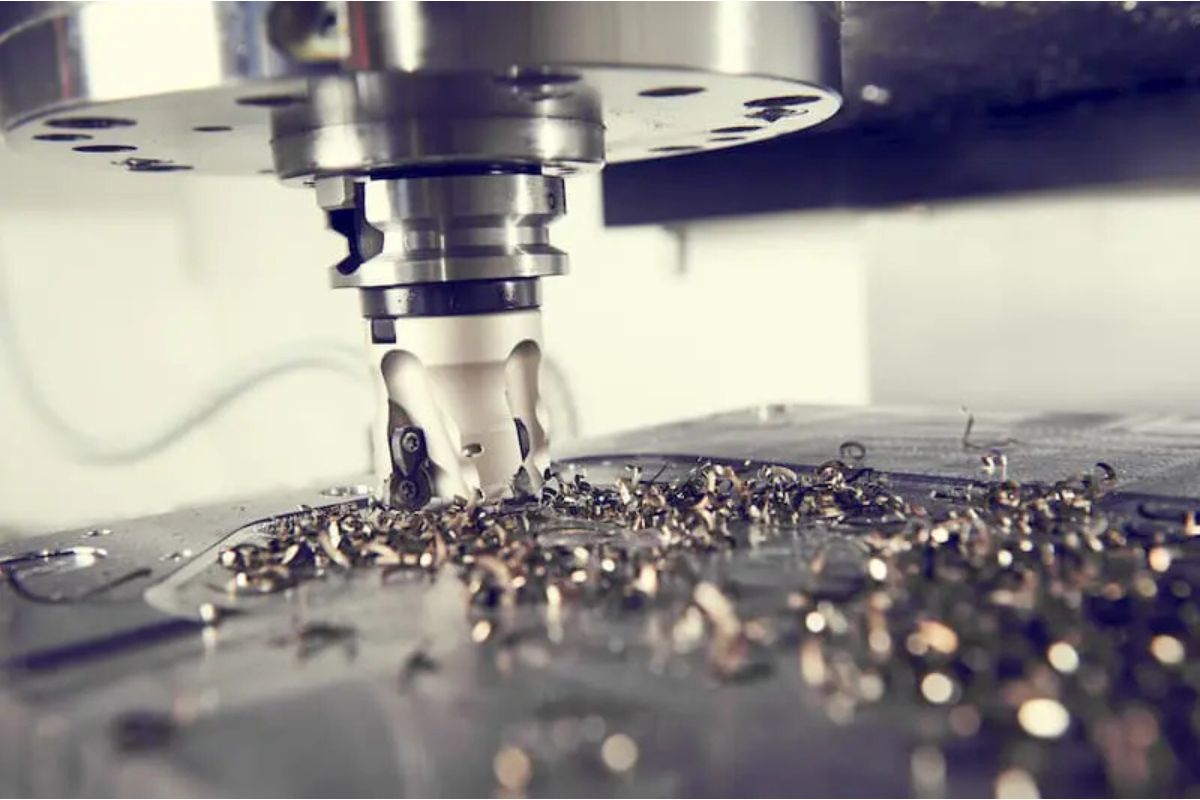
1. Understand when milling is the right process. CNC milling uses programmed cutting tools to remove material from a workpiece. It can create features such as flat faces, pockets, slots and holes, depending on the design and available tooling. It serves a different purpose from cutting a flat sheet profile. A component needing a controlled recess or accurately related faces may need machining, whereas a simple flat panel may suit another process. Explain what the part must do rather than choosing a manufacturing route solely from its appearance.
2. Describe the assembly, not just the individual part. A drawing becomes more useful when the manufacturer understands the components around it. For example, a mounting block may connect a folded panel to a frame. Its hole positions, contact faces and clearance requirements need to work together. Provide the relevant assembly drawing or details of the mating parts, and identify which surfaces locate the component. For businesses sourcing both machined and fabricated parts, reviewing these interfaces together can reveal problems that separate component quotations might miss.
3. Specify the material grade clearly. Descriptions such as steel or aluminium leave important questions unanswered. Different grades have different properties and machining characteristics, and the correct choice depends on the product and its working environment. State the required grade and any material documentation requirements. If the grade has not been decided, explain the application and ask for a review before approving production. Avoid substituting a material simply because it appears similar or is available more quickly.
4. Put tighter tolerances where they are needed. A tolerance defines the permitted variation from a specified dimension. A locating feature may need closer control than an outside edge that does not affect fit. Applying very tight tolerances throughout a drawing can increase machining and inspection effort without improving the finished product. Identify the dimensions that govern function, agree suitable tolerances and confirm how important features will be measured. Techrail reviews achievable tolerances against the material, geometry and complete drawing requirement rather than promising one figure for every component.
5. Allow for the shape of the cutting tool. Milling cutters commonly produce a radius in an internal pocket corner. A square mating part may therefore need clearance, a revised corner shape or an agreed relief feature to fit. Deep narrow pockets and difficult access can also affect the tooling and machining sequence. Discuss these details before finalising the design. Do not assume that every feature shown in a digital model can be machined economically or that an apparently minor change has no effect on production.
6. Make holes and threads unambiguous. A threaded hole needs more information than its position on the drawing. Specify the thread designation, required depth and whether the hole passes through the component or ends within it. Distinguish usable thread depth from the overall drilled depth where relevant. Also identify any countersinks, counterbores or clearance holes needed for fixings. For repeat assemblies, check the proposed fasteners against the actual joint so the manufacturer is not left to infer the intended connection.
7. Agree the finished condition and inspection points. Burr removal, edge treatment, surface finish and any later coating can affect handling and assembly. State which faces must remain free from coating and which edges need particular attention. Where a machined part joins a powder coated fabrication, review the interface in its finished condition rather than checking only the bare components. Agree any required sample approval or inspection records when requesting the quotation, with the scope, cost and timing confirmed before manufacture.
8. Plan repeat orders around controlled information. A successful first batch is useful only if later orders use the same approved specification. Include the drawing number and revision, material, finish, batch quantity and required delivery date in each enquiry. Separate the first delivery requirement from any forecast for later batches. For South West businesses coordinating several production stages, a clear schedule helps the manufacturer assess capacity and any dependencies without making assumptions about future volumes.
Before requesting a CNC milling quotation, gather the current drawing, available CAD model, material grade, critical dimensions, thread details, finish requirements, quantities and required dates. If you only have a photograph or an existing product, Techrail can help prepare drawings in house and review reverse engineering from photos. Dimensions and functional requirements still need confirming before production, and design work is agreed as part of the quotation.
Techrail supports business customers needing repeat machined components and connected manufacturing processes from Chard, Somerset. If your next product combines machined parts with fabricated metalwork, send the production team the complete requirement for a free initial production review. Reviewing the assembly early can help establish a practical route from approved drawings to repeat supply.