Laser cutting for South West businesses: getting your production brief right
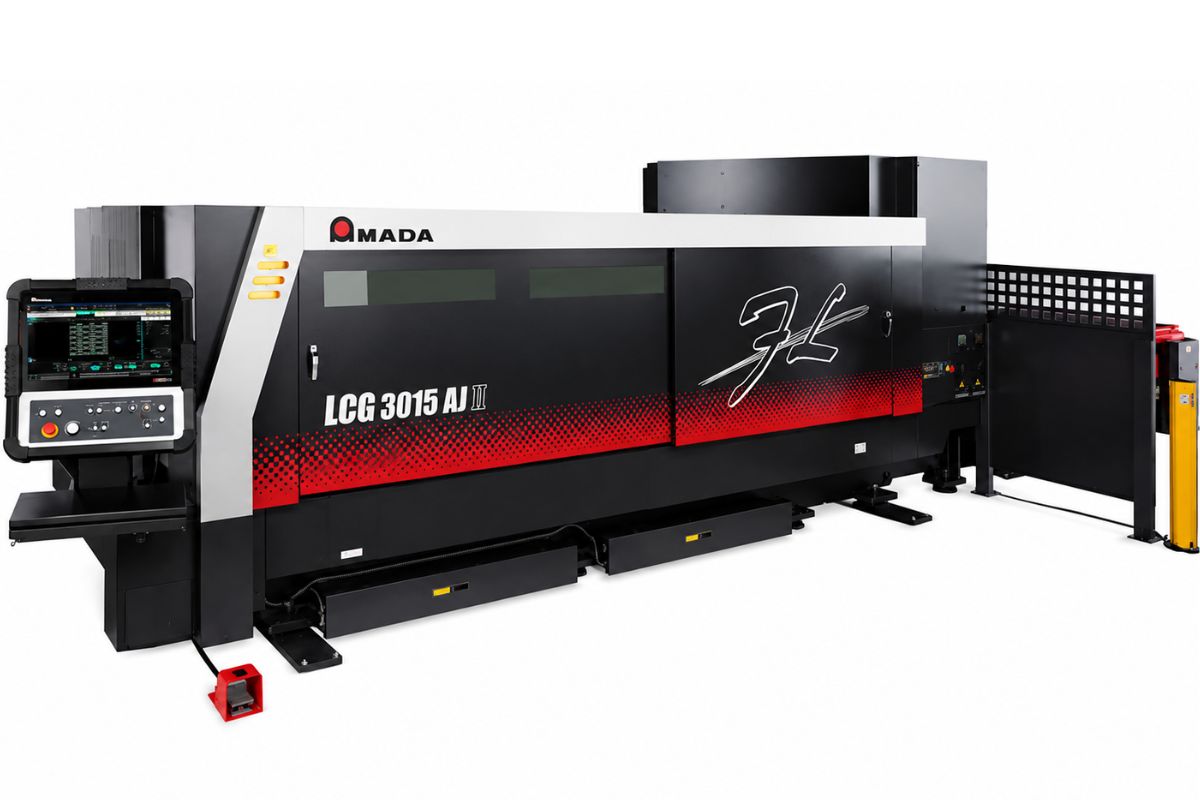
For retail equipment manufacturers, shopfitting teams and commercial product buyers across Somerset, Devon and Dorset, a laser cutting order is often the first stage of a much larger project. A precisely cut blank still needs to work when it is folded, welded, coated and assembled. Getting the brief right at the start helps reduce avoidable questions and changes later.
Based in Chard, Somerset, Techrail offers laser cutting alongside forming, fabrication, welding and finishing. This guide explains what buyers should prepare before requesting a quote, particularly when the finished product will be ordered in batches or supplied across several sites.
1. Specify the material, not just the metal. “Steel, 2 mm thick” may leave important questions unanswered. Confirm the required grade, thickness and any surface condition that matters to the application. Mild steel, stainless steel and aluminium have different properties, and suitability depends on the product, environment and production route. If the material has not been decided, explain the intended use and ask for a review rather than assuming the cheapest option will be suitable.
2. Supply a controlled drawing pack. A flat cutting file, often supplied as a DXF, defines the cutting geometry. A dimensioned drawing communicates the wider requirement, including critical sizes, material and drawing revision. Check the units and scale, remove duplicate lines and make sure the profile is complete. Identify reference lines that must not be cut. If the component will be formed, agree who prepares the flat pattern and bend allowance so a folded drawing is not mistaken for a finished cutting file.
3. Identify the dimensions that affect assembly. Not every dimension needs the same tolerance. Explain which holes locate mating parts, which edges sit against another component and which clearances are needed for assembly. Laser cutting removes a narrow width of material, known as the kerf; the manufacturer normally accounts for this when preparing the cutting programme. Do not adjust your geometry to compensate unless that approach has been agreed. Ask the supplier to confirm achievable tolerances against the actual material, thickness and feature sizes.
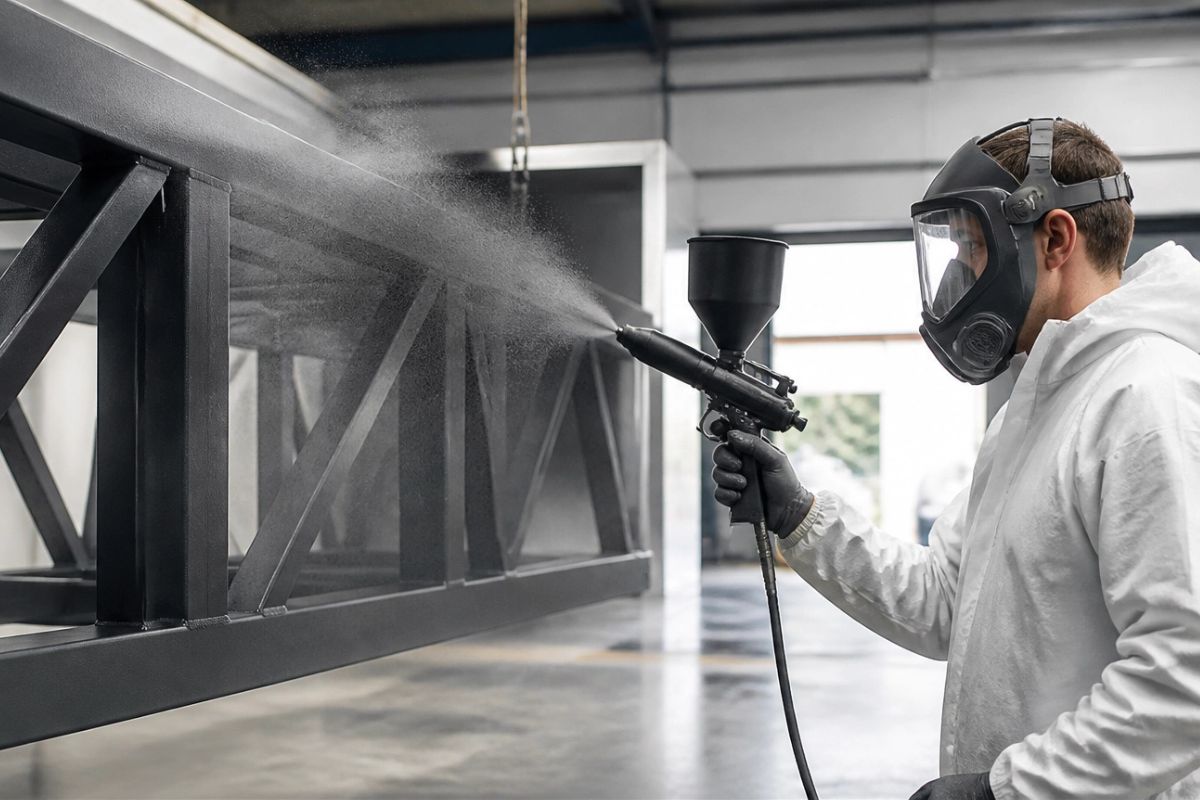
4. Consider the next manufacturing operation. A small hole close to a bend can be affected by forming. A narrow feature may require a production review, and a cut edge may need further preparation for its intended use. If parts will be welded or powder coated, explain the joint details, visible surfaces and any areas that require masking. Avoid treating cutting accuracy as a substitute for checking the complete assembly. Fit and finish depend on the connected processes, not only the first cut.
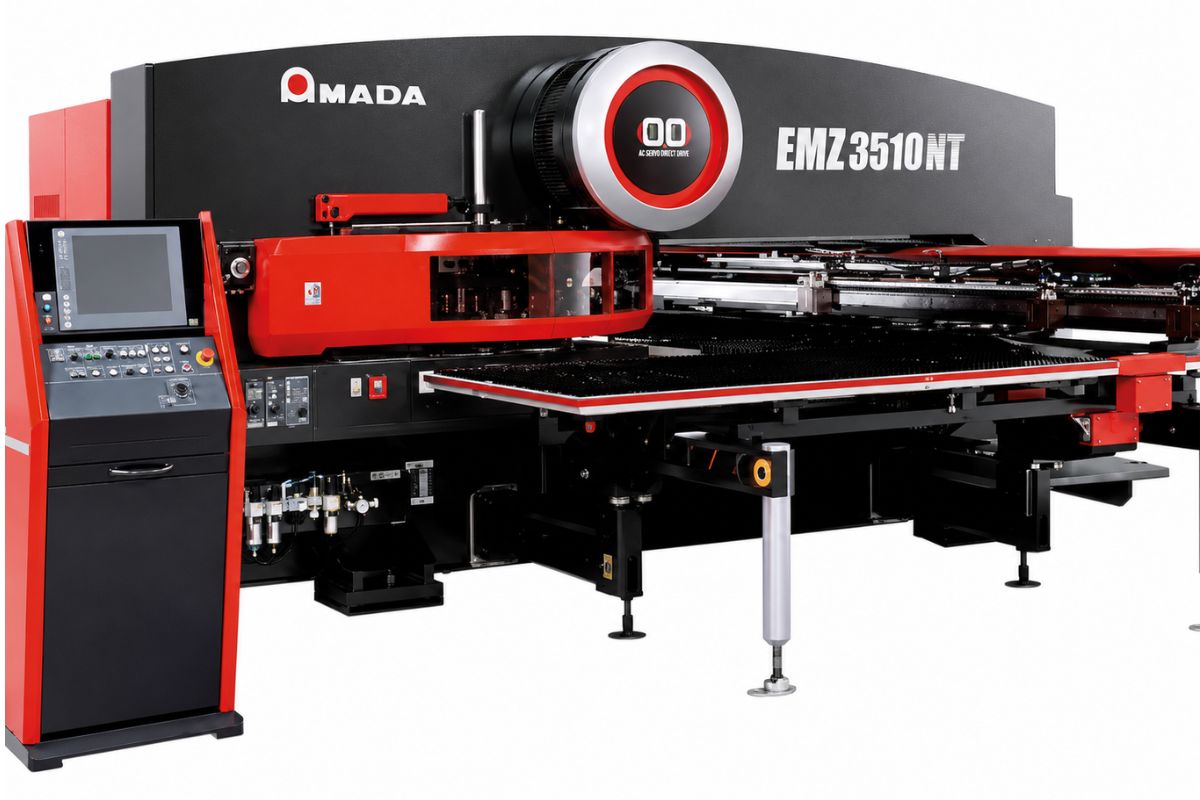
5. Quote the full requirement, not only the first batch. State the initial quantity, likely repeat quantities and whether deliveries will be phased. Similar components can sometimes share material layouts, but efficient nesting depends on geometry, material availability and the production plan. For recurring holes or other suitable features, it may also be worth discussing CNC punching as an alternative route. The most practical process should be selected against the specification and volume, rather than assuming one method is always cheaper.
6. Agree approval, packaging and delivery details. Confirm which drawing revision is approved before manufacture begins. Where fit or appearance is uncertain, discuss whether a sample or initial batch is appropriate before releasing the full quantity. Describe how components will be handled and protected, particularly if they are being delivered as finished products. For South West businesses coordinating several suppliers or installation teams, clear delivery priorities and packaging requirements can be as important as the cutting file itself.
Before sending an enquiry, gather the approved drawing revision, cutting files, material specification, critical tolerances, quantities, finishing requirements and required delivery dates. Include an explanation of how the parts will be used and whether the order is a single project or a repeat programme. Techrail can review the brief from its Chard facility and discuss how laser cutting connects with the remaining manufacturing stages. Any proposed route or timescale needs to be confirmed against the specification and available production capacity.