CNC punching for South West businesses: a guide to repeat metal panels
A panel with a regular pattern of holes can look straightforward on a drawing. In production, however, the choice of material, tooling, hole positions and finishing requirements all influence whether that panel fits, looks right and can be repeated consistently. For equipment manufacturers, retail fixture suppliers and commercial product teams across Somerset, Devon and Dorset, CNC punching is a service worth understanding before placing a batch order.
Techrail Retail Services provides CNC punching at its Chard, Somerset facility, alongside other cutting, forming, welding and finishing processes. This guide explains how punching works, when it may suit a project and what buyers should include in a useful manufacturing brief.
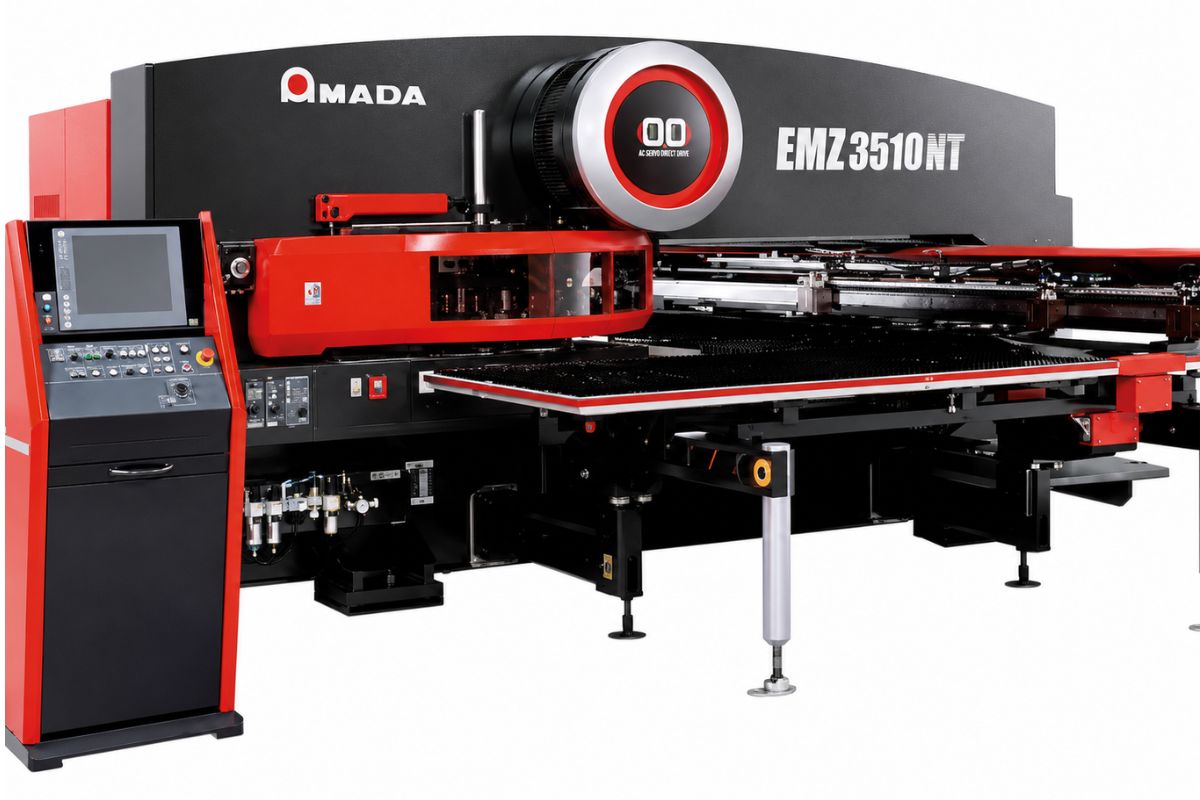
1. Understand what CNC punching actually does. A CNC punching machine uses programmed movements to position sheet metal between a punch and a matching die. The tooling removes material to create holes, slots and other openings. Depending on the available tooling and the design, punching can also produce certain formed features. A suitable production route must be checked against the actual material, thickness, geometry and machine capability. Do not assume that every feature shown on a drawing can be made with a standard tool.
2. Look for repeated features, not simply a large quantity. Panels with recurring holes, fixing slots or ventilation patterns can be candidates for CNC punching. Examples include equipment panels, enclosure components and parts for repeat retail fixtures. Quantity matters, but so do the number and shape of the features, tool availability and the operations that follow. A small number of complicated openings may need a different approach from a regular pattern of identical holes. Ask for a process review rather than selecting punching solely because an order will be repeated.
3. Give every opening a clear purpose. Identify which holes locate an assembly, which accept fasteners and which provide clearance or ventilation. Specify the required sizes and positions, including any mating components that affect the fit. Features that look similar may serve different functions and need different tolerances. For ventilation panels, the opening pattern is only one part of the design: suitable airflow, access protection and any other equipment requirements need their own assessment. A neat perforation pattern is not proof that the finished enclosure will perform as intended.
4. Review feature spacing and nearby bends. Closely spaced openings can leave narrow strips of material that need a manufacturing review. Holes near a bend may also be affected when the panel is formed. Tell the supplier which edges are reference points, which dimensions matter after folding and how the panel will fit the complete product. Tool access and forming sequence can influence the layout. Where the design allows, discussing these details before approval may avoid unnecessary operations or a late drawing change.
5. Agree what an acceptable surface looks like. Punching involves contact between the tooling and the material, so surface marks, burrs and the condition of cut edges need to be considered. If an edge will be handled or a face will remain visible, say so in the brief. Ask how deburring, handling and any protective film will be managed for the selected material and finish. Where openings are made through a series of overlapping punches, the edge appearance may differ from that of a single tool operation. Discuss appearance requirements before committing to the full batch.
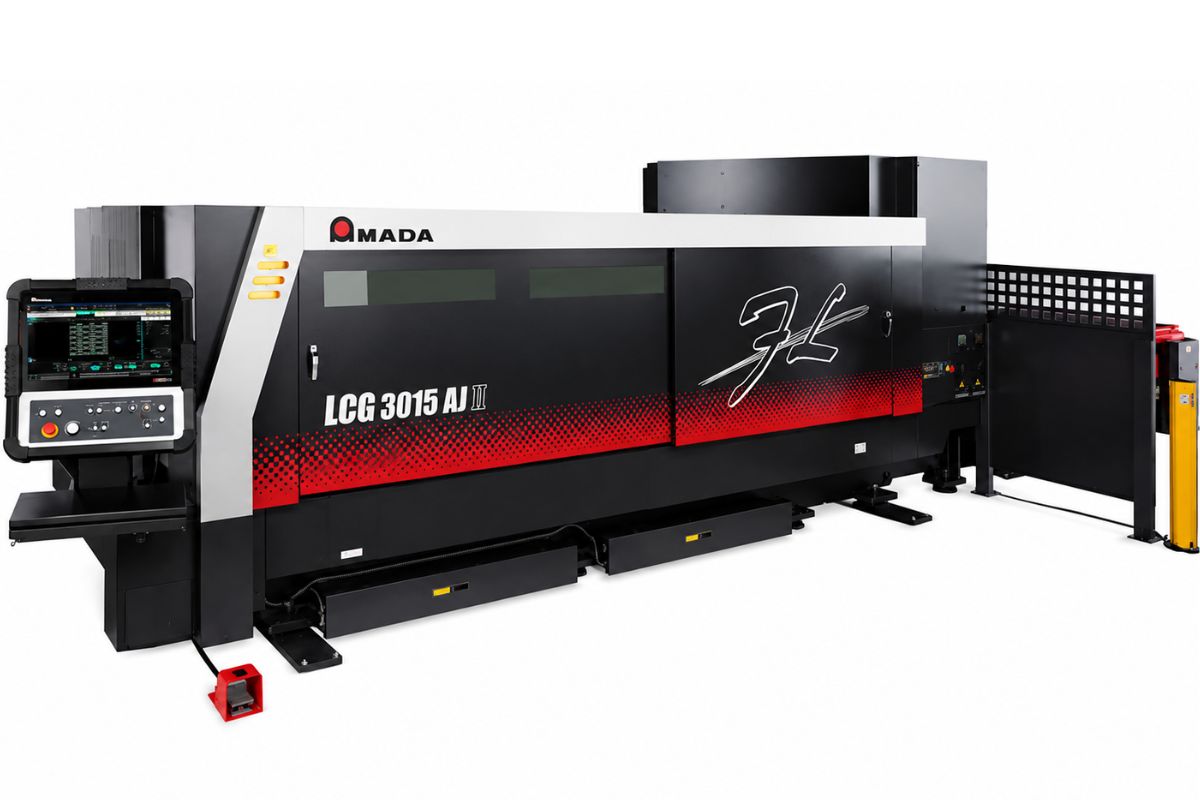
6. Compare punching and laser cutting against the complete job. Neither process is automatically the cheapest or most suitable for every panel. Punching may be worth reviewing for repeated features and suitable formed details, while laser cutting can offer flexibility for profiles that would otherwise need different tooling. The comparison should include programming, setup, tooling, material use, edge preparation and later manufacturing stages. If a particular tool is needed, agree its cost, ownership and availability for repeat orders as part of the quotation.
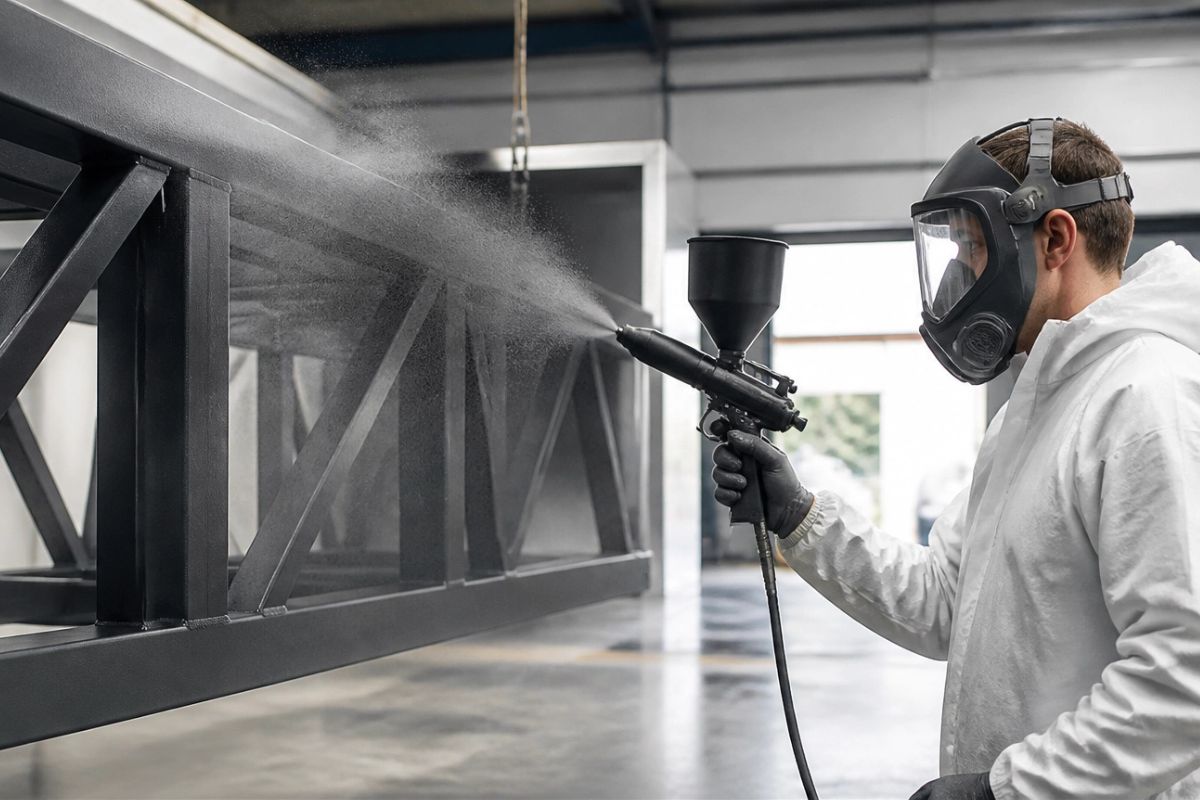
7. Approve the finished requirement, not just the flat blank. A punched sheet may still need folding, welding, powder coating or assembly. Confirm the material grade and thickness, the approved drawing revision and any areas that must remain clear of coating. Check how the finished panel locates against neighbouring parts and whether the coating affects a critical fit. For a new or revised design, discuss whether a sample or initial batch should be reviewed before the remaining quantity is released. The review should reflect the actual assembly and agreed acceptance criteria.
8. Make repeat orders easier to control. Keep the approved drawings, material specification, finish reference and inspection requirements together. When ordering again, identify the revision explicitly rather than relying on a photograph or an old part number alone. State the initial quantity, expected repeat demand and any delivery priorities across different sites. For South West buyers coordinating stock and production teams, a clear release schedule can be more useful than an enquiry that simply asks for delivery as soon as possible.
Before requesting a quote, gather the panel drawings, material details, feature sizes, critical tolerances, quantities, finish and required delivery dates. Explain what the panel does and which operations must happen after punching. If you do not have drawings, Techrail can prepare them in house and reverse engineer from existing photos, with measurements and design requirements confirmed before manufacture.
Techrail can review CNC punching as part of a complete manufacturing route from its Chard facility. Share your brief with the team to discuss how punching, forming and finishing could be coordinated for repeat supply. Any tooling, design work, samples and delivery timing should be confirmed against the agreed specification and current production capacity.